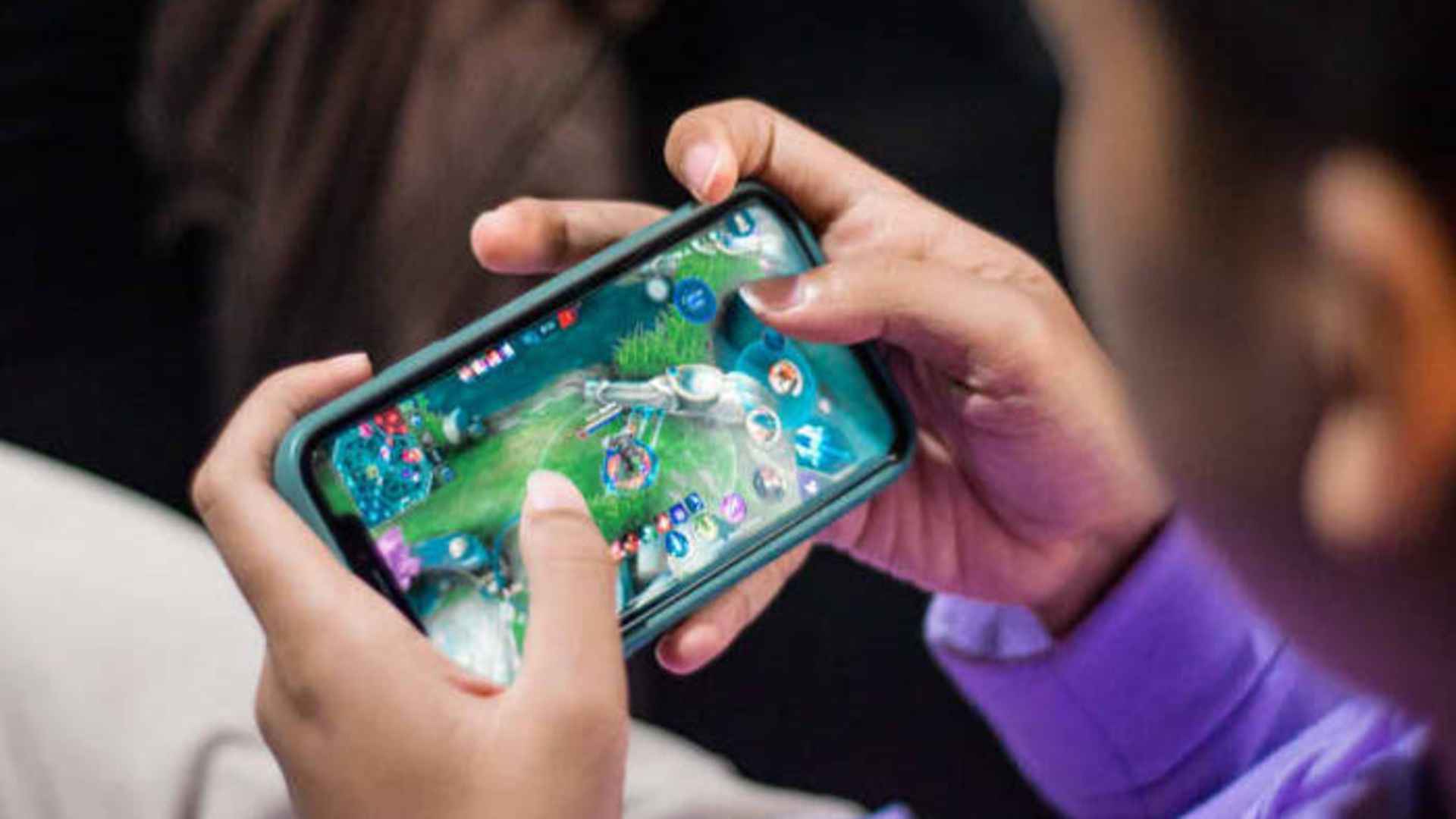
For thousands of years, traditional dice games served as popular pastimes across ancient civilizations, from Mesopotamia and Rome to Imperial China. Today, smartphones have completely transformed how these historical pastimes are played and distributed worldwide. By converting carved bones and wooden blocks into digital graphics, modern developers have effectively preserved cultural gaming traditions while reaching millions of new players globally.
Digitizing Ancient Gaming Traditions
The transition from physical tabletop components to digital touchscreens has made historic games more accessible than ever before. Titles like Parcheesi, Royal Game of Ur, and Sic Bo can now be played anywhere with an internet connection. Mobile adaptations recreate authentic rules while offering automated scoring, eliminating the need to memorize complex traditional scoring sheets.
This digital evolution ensures that historical games are preserved for future generations without fading into obscurity. Players no longer need physical board sets or specialty dice to enjoy classic gameplay. The convenience of smartphone applications has made discovering ancient gaming history as simple as downloading an app.
Global Connectivity and Asynchronous Play
Mobile applications have removed geographic barriers, allowing enthusiasts from different continents to compete in real time. Features such as matchmaking algorithms and asynchronous turns enable friends and strangers to keep games active across multiple time zones. This global network fosters international gaming communities focused on traditional dice strategy.
Modern platforms also incorporate social elements, such as chat functions, leaderboards, and regional tournaments. Enthusiasts researching global gaming trends and platforms like man888 often note how digital connectivity keeps traditional pastimes active in today's fast-paced environment. These interactive tools encourage repeat play and sustained interest among diverse user bases.
Enhancing Immersion Through Visuals and Physics
Contemporary app developers utilize sophisticated physics engines to replicate the tactile feeling of rolling real dice on a table. High-definition graphics, realistic sound effects, and customizable themes bring ancient aesthetics to life on modern screens. These visual enhancements make historical contexts feel vibrant and engaging for modern mobile users.
Intuitive user interfaces further streamline the learning process for beginners exploring traditional games for the first time. Interactive tutorials guide new players through rules and strategic tips step by step. By lowering the entry barrier, mobile designs turn casual app users into dedicated tabletop enthusiasts.
The Future of Historical Mobile Gaming
As smartphone technology continues to advance, the digital footprint of ancient dice games will likely expand even further. Augmented reality and improved artificial intelligence opponents offer new ways to experience historic mechanics. Mobile software bridges the gap between historical heritage and modern digital entertainment, ensuring these games remain relevant forever.