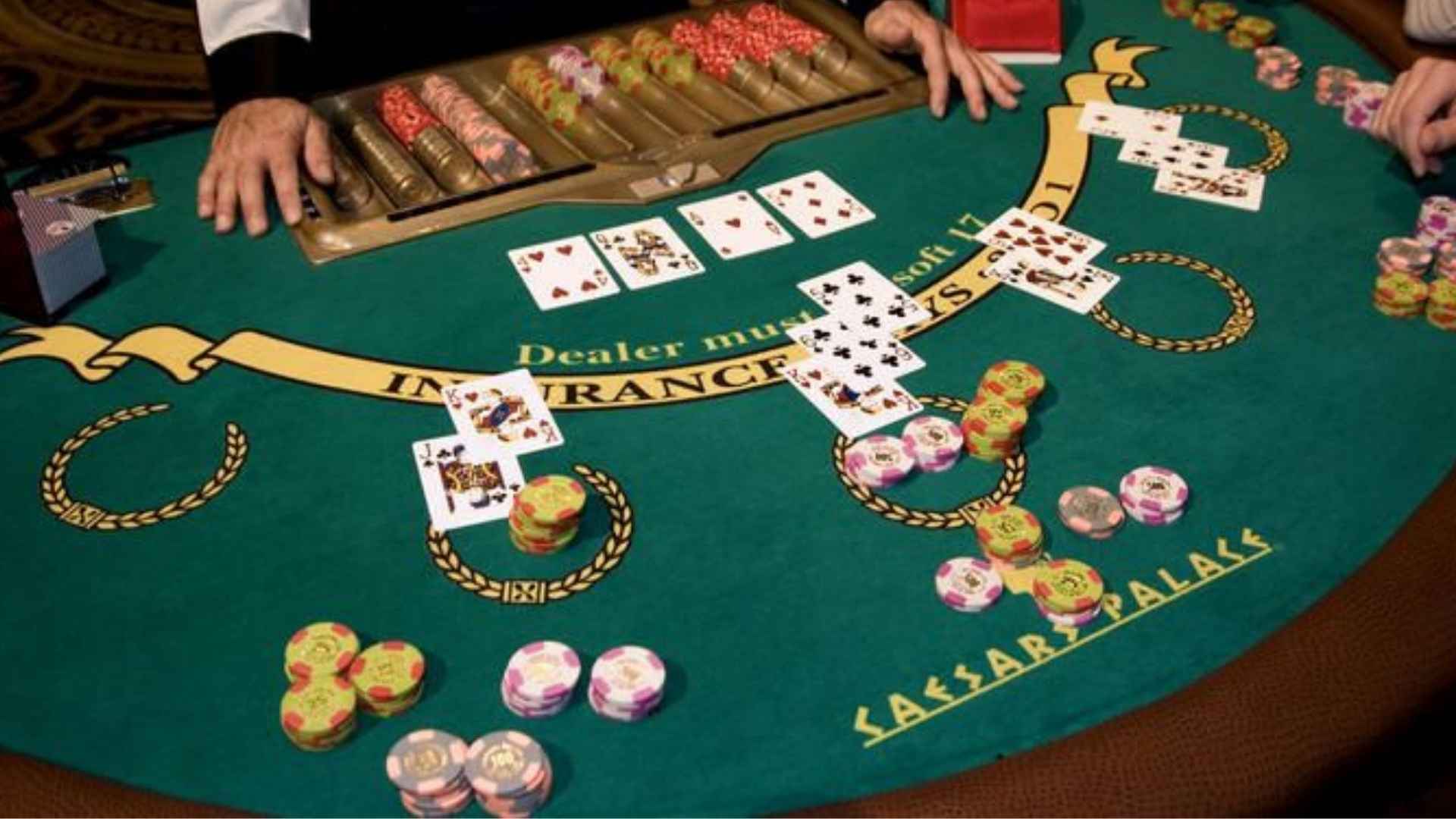
Building a massive chip stack in poker is an exhilarating achievement, but maintaining that advantage requires an entirely different set of strategic skills. Many players erroneously assume that a dominant lead guarantees victory, leading to relaxed discipline and careless tactical decisions. Understanding the subtle behavioral shifts that cause large stacks to vanish is essential for securing long-term profitability at the tables.
The Illusion of Absolute Safety
When players amass a significant portion of the chips in play, a psychological phenomenon often takes over, creating a false sense of security. This mindset frequently leads to playing far too many weak hands out of pure curiosity rather than calculated value. Overcommitting to marginal situations quickly chips away at a hard-earned lead before the player even realizes the danger.
Furthermore, maintaining a large stack means you become a primary target for observant opponents who are looking to double up. Casual enthusiasts often overlook how their wide opening ranges give shorter stacks the perfect opportunity to execute well-timed bluffs. Staying patient and maintaining strict preflop boundaries remains crucial, regardless of how many chips you currently hold.
Shifting Into High Aggression Without Care
Another frequent trap is the misuse of table pressure, where the chip leader attempts to bully the entire table unconditionally. While applying pressure to medium stacks is a valid strategy, reckless aggression against players who are already pot-committed can lead to catastrophic losses. Forcing the action without a reliable backup plan often results in massive double-ups for your opponents.
It is important to evaluate the exact motivations and stack sizes of the remaining participants before launching a major bluff. If you want to refine your strategy and observe how professional players manage these delicate dynamics safely, utilizing the m88.com login alternatif platform provides an excellent environment to practice. Adapting your aggression level based on individual opponent tendencies prevents unnecessary distributions of your wealth.
Suffering From Results Oriented Thinking
A sudden reversal of fortune often stems from a player becoming overly focused on short-term outcomes rather than sound statistical decisions. When a chip leader loses a few consecutive pots due to standard variance, emotional frustration can easily cloud their analytical judgment. This state of mind regularly triggers an immediate urge to win back the lost chips through impulsive, high-risk maneuvers.
True poker mastery involves accepting that variance affects every stack size equally throughout a session. When you allow frustration to dictate your betting amounts, your overall decision quality deteriorates at a rapid pace. Successful competitors treat every new hand as an isolated mathematical event, ensuring their logic remains entirely detached from previous results.
Ignoring Shifting Table Dynamics
As tournament stages progress or cash games evolve, table dynamics continuously transform as short stacks are eliminated. Fearing elimination, remaining opponents will tighten their requirements significantly, rendering your standard bullying tactics completely ineffective. Failing to recognize these structural adjustments will cause you to value mediocre holdings far too highly.
Protecting a dominant lead requires an ongoing commitment to threat assessment and positional awareness. You must constantly monitor which participants are playing defensively and which ones are ready to risk their entire stacks. By aligning your tactical approach with the actual risks present at the table, you can easily turn a temporary lead into a definitive victory.