Solitaire has evolved from a simple computer pastime into a powerful tool for personal development and behavioral improvement. While many individuals play the game to pass the time, researchers have discovered that its structured nature can reinforce positive daily routines. By engaging with these digital card setups, players can subtly cultivate long-term discipline and enhance their everyday choices.
The Psychology of Rule-Based Routine
Every variation of solitaire requires players to strictly adhere to specific organizational rules and sequences. This repetitive process helps train the human brain to appreciate order and predictability in a low-stakes environment. Over time, practicing these organized steps encourages individuals to approach their real-world responsibilities with a similar level of structured methodology.
Furthermore, completing a digital layout triggers a sense of micro-accomplishment that reinforces positive behavior patterns. When players experience these small victories, they build psychological resilience that helps them tackle more complicated professional assignments. Consistently managing a digital board eventually translates into better scheduling habits and a more organized lifestyle.
Enhancing Concentration and Focus Skills
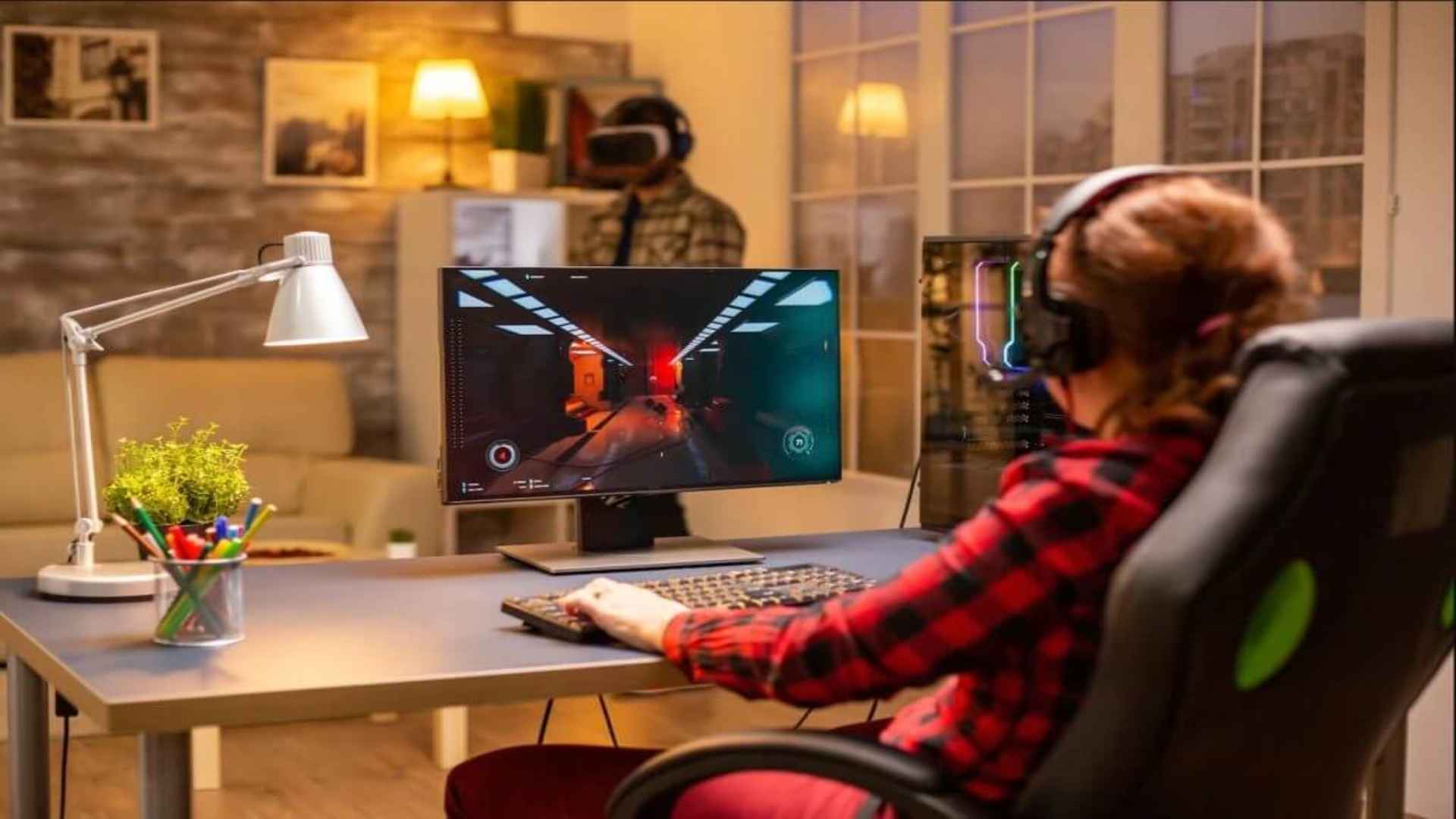
Modern environments are filled with constant digital distractions that frequently disrupt our attention spans. Engaging in a focused game of solitaire forces the mind to prioritize deep concentration over passive scrolling behavior. This intentional engagement trains your cognitive faculties to resist external interruptions and remain focused on a singular objective.
Developing this heightened focus can significantly boost your overall productivity during daily business operations. Individuals looking to test their tactical skills can explore external options like the m88.com login alternatif platform for various engaging arrangements. Cultivating this level of mental dedication ensures you remain highly efficient when handling multi-layered projects.
Practicing Emotional Balance Under Pressure
Not every card layout in solitaire leads to an immediate victory, which introduces a healthy element of strategic friction. Facing an unwinnable setup teaches players to accept setbacks calmly rather than reacting with counterproductive frustration. This controlled environment acts as a safe testing ground for emotional regulation and stress management.
Learning to step away or reset a difficult arrangement fosters patience that applies directly to interpersonal relationships. By choosing methodical strategy over impulsive choices, players build a habit of deliberate decision-making under pressure. This emotional maturity remains a vital asset when navigating unpredictable challenges in both personal and professional spheres.