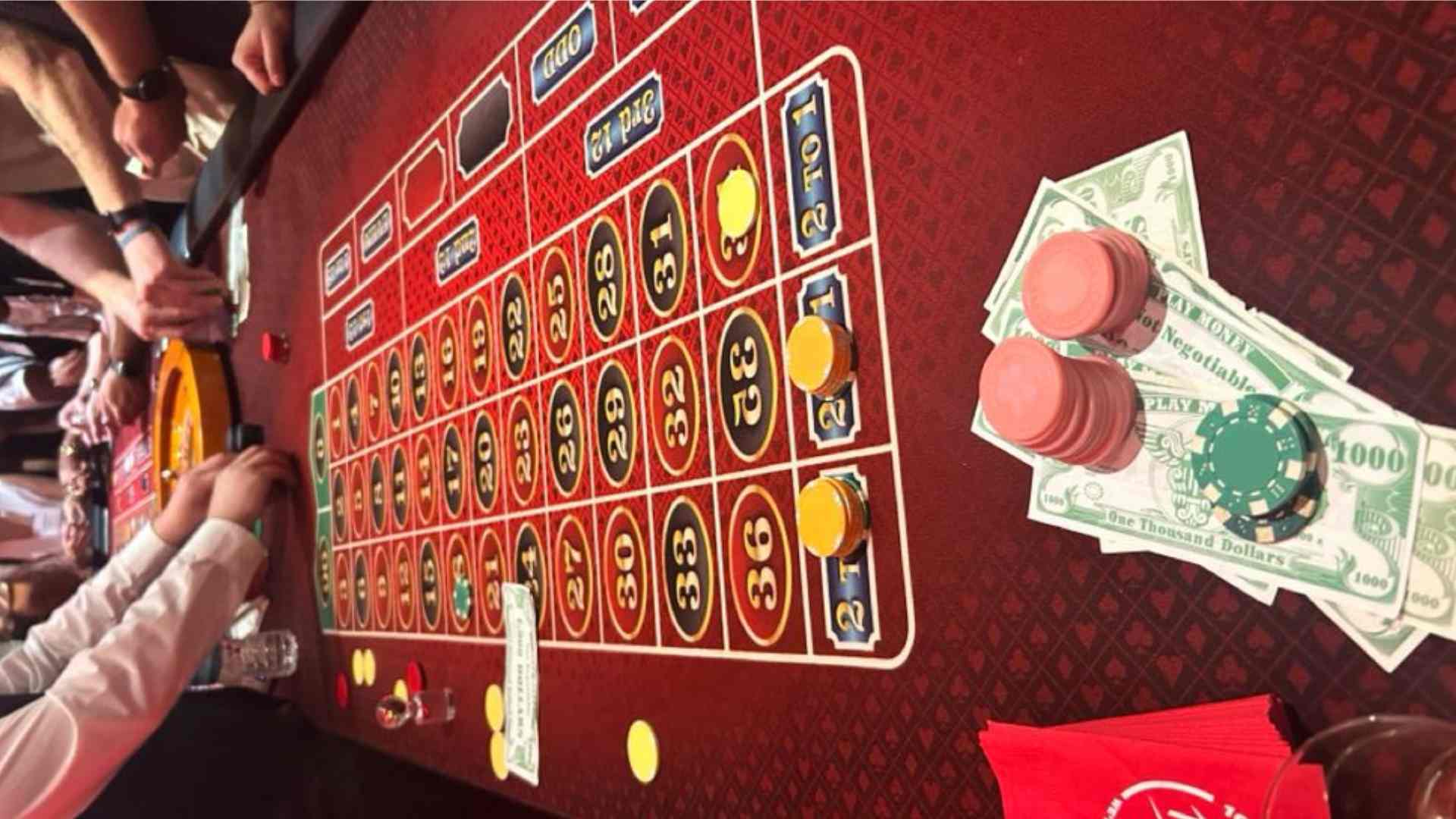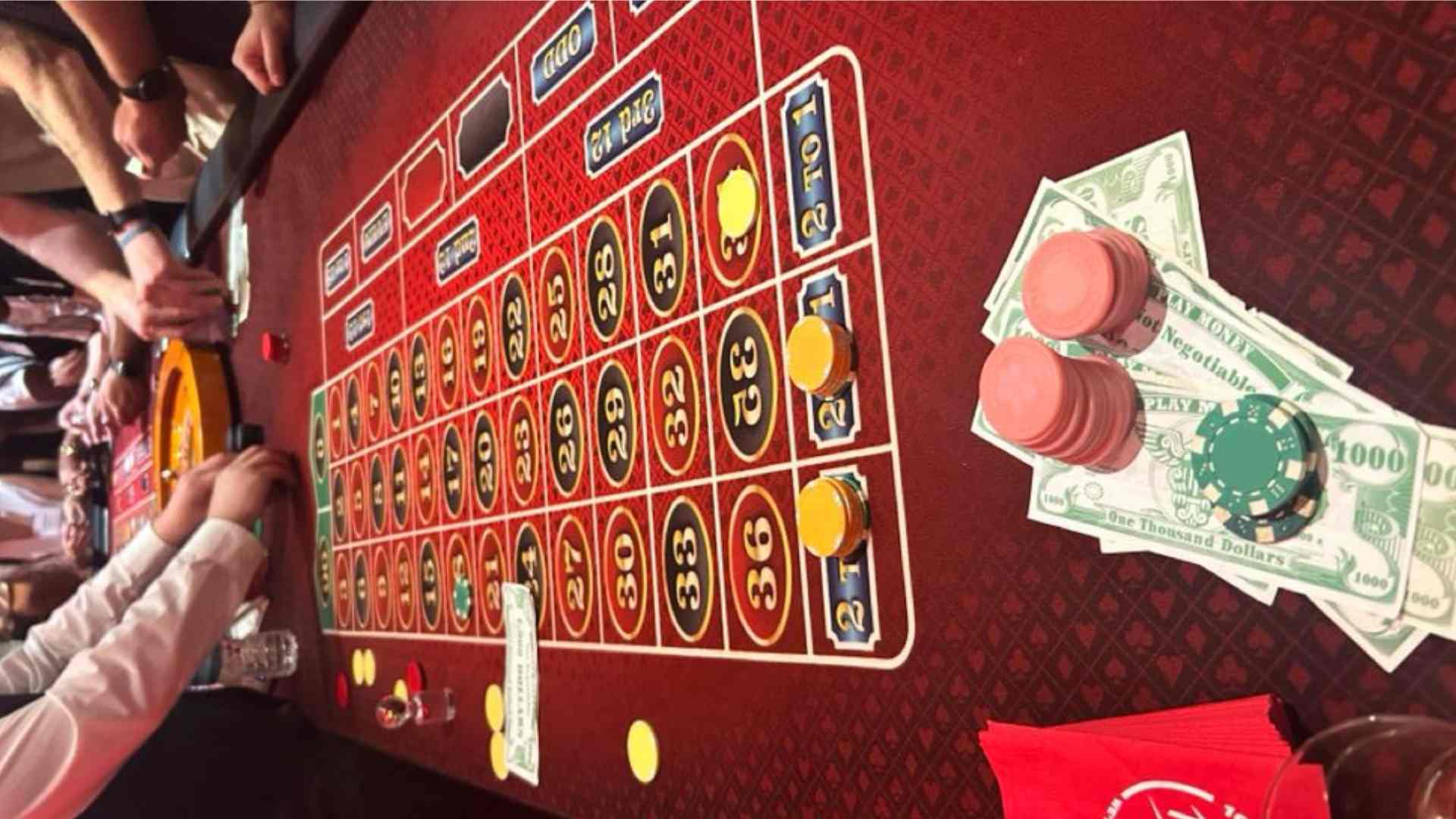
Games that depend entirely on chance often appear relaxed and casual on the surface, yet they frequently stir up intense rivalries among players. Whether it is a quick dice roll, a simple card draw, or a digital spinning wheel, stripped-down mechanics eliminate complex strategic barriers. This equal footing allows participants to focus entirely on the excitement of the outcome rather than technical mastery.
The Equalizing Effect of Pure Chance
When skill is removed from the equation, every player enters the game with the exact same probability of winning. Advanced tactical knowledge or years of practice no longer offer an advantage, which creates a uniquely inviting environment. Because anyone can win at any moment, participants naturally invest more emotional energy into every turn.
This level playing field sparks a distinct form of competition where confidence relies on luck rather than skill. Players often start cheering for unlikely streaks or playfully teasing opponents who experience bad draws. The unpredictable nature of each round ensures that momentum can shift instantly, keeping tension high throughout the session.
Psychological Triggers and the Illusion of Control
Human psychology plays a major role in transforming casual chance games into competitive rivalries. Even when people know an outcome is completely random, they often lean into personal rituals or superstitions to feel involved in the process. Blowing on dice or picking a favorite section on a wheel gives players a subtle sense of agency.
When these superstitious methods coincide with a win, it reinforces a temporary illusion of personal influence. Enthusiasts seeking online entertainment options, including those checking a link m88 terbaru hari ini, frequently enjoy how simple chance mechanics deliver immediate feedback and high engagement. This psychological dynamic turns quiet participation into an active, competitive display of hope and rivalry.
The Appeal of Rapid Game Loops
Random games typically feature short rounds and fast resolutions that encourage immediate rematches. A player who loses a quick round rarely feels defeated because a fresh chance at victory is only seconds away. This rapid cycle prevents fatigue and keeps energy levels elevated across long play sessions.
The low stakes of individual rounds allow players to make bold predictions without fearing long-term consequences. As wins and losses accumulate rapidly, friendly rivalries naturally develop over who can secure the longest winning streak. The desire to turn a losing streak around keeps everyone glued to the action.
Shared Entertainment and Social Dynamics
The ultimate strength of simple random selection games lies in their ability to unite groups through shared drama. Watching a random result unfold creates a collective moment of anticipation where everyone focuses on a single point. The sudden revelation of the winner produces spontaneous reactions that make the experience memorable.
Because the rules require no steep learning curve, anyone can join in and immediately contribute to the group dynamic. This effortless accessibility transforms modest pastime activities into lively competitive events filled with banter, laughter, and lighthearted tension.